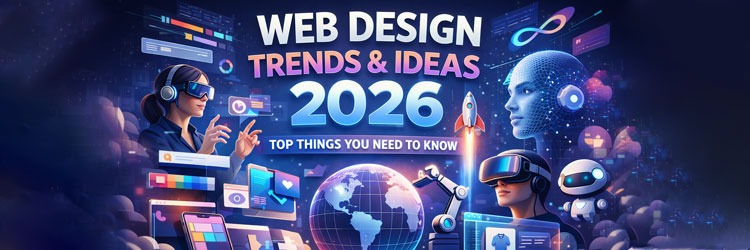
Web design in 2026 is no longer just about aesthetics it’s about intelligent experiences, emotional storytelling, and ultra-fast interaction. Modern websites are becoming adaptive digital ecosystems powered by AI, immersive visuals, and performance-first architecture.
Whether you’re a designer, developer, startup founder, or brand owner, these are the top web design trends shaping the internet in 2026.
1. Hyper-Personalized AI Experiences
AI-driven personalization has evolved beyond recommendations. In 2026, websites adapt in real time based on user behavior, device type, browsing history, and even interaction patterns.
What’s changing?
- Dynamic layouts tailored for individual users
- Personalized product suggestions and content blocks
- AI-generated copy and visuals based on audience interests
Example:
An eCommerce website changes its homepage design, color palette, and featured products depending on what the visitor interacted with previously.
Why it matters:
Users now expect experiences that feel personal, relevant, and intuitive not generic.
2. Immersive Cinematic Hero Sections
Traditional hero banners are disappearing. In 2026, brands are using cinematic storytelling with motion graphics, AI-generated visuals, layered animations, and immersive typography.
Key elements:
- Short looping background videos
- Smooth text transitions
- Interactive storytelling sections
- AI-enhanced visuals with depth effects
The goal is simple: capture attention within the first 3 seconds.
3. Neo-Glassmorphism & Adaptive Dark Mode
Dark mode remains dominant, but the visual style has evolved into a softer, futuristic interface known as Neo-Glassmorphism.
Features:
- Frosted glass UI elements
- Transparent layered cards
- Soft glowing borders
- Adaptive themes based on ambient lighting
This trend creates sleek, premium-looking interfaces perfect for SaaS platforms, portfolios, fintech, and AI products.
4. Invisible & Smart Navigation
Navigation is becoming cleaner, lighter, and more intelligent.
In 2026:
- Floating dock menus replace large navbars
- Gesture-based interactions appear on mobile
- Voice-assisted navigation is growing
- AI chat assistants help users find content instantly
Instead of overwhelming users with links, modern websites guide users naturally through interaction.
5. Interactive 3D & Spatial Web Design
With faster browsers and improved GPU performance, 3D experiences are becoming mainstream.
Powered by:
- Three.js
- WebGL
- AI rendering tools
- Spatial UI frameworks
Common use cases:
- Product showcases
- Virtual showrooms
- Architecture previews
- Interactive storytelling
These immersive visuals increase engagement and make websites feel alive.
6. Motion UI & Micro-Interactions
In 2026, animations are more purposeful than decorative. Every interaction provides visual feedback that improves usability and flow.
Popular micro-interactions:
- Buttons with magnetic hover effects
- Smooth scroll-triggered transitions
- Animated cursors and icons
- Realistic physics-based movement
Well-designed motion helps guide attention and makes digital experiences feel more human.
7. Sustainable & Ultra-Performance Web Design
Performance-first design is now a major priority. Faster websites not only improve SEO and conversions but also reduce energy consumption.
Modern optimization techniques:
- Lightweight frameworks
- AI-powered image compression
- Lazy loading and partial hydration
- Minimal JavaScript architecture
Why it matters:
Users expect instant-loading websites, and brands are becoming more conscious of digital sustainability.
Bonus Trend: AI-Generated Website Building
AI website builders are transforming the design industry.
Tools like Framer AI, Relume, Durable, and Mixo can now generate complete websites within minutes including layouts, copy, color systems, and responsive sections.
What designers do now:
- Focus on branding and creative direction
- Refine user experience
- Customize AI-generated foundations
AI is not replacing designers it’s accelerating creativity.
Final Thoughts
Web design in 2026 is all about intelligent interaction, immersive storytelling, and performance-driven experiences. The best websites are no longer static pages they are adaptive, emotional, and highly interactive digital environments.
Businesses that embrace these trends early will stand out, improve engagement, and create unforgettable user experiences in the evolving digital landscape.