In today’s competitive online landscape, service-based businesses cannot rely solely on referrals and word-of-mouth marketing. Whether you operate in photography, healthcare, real estate, consulting, or any professional service industry, building a structured digital marketing funnel is essential for generating consistent leads and increasing revenue. A well-designed digital marketing funnel helps convert website visitors into paying clients through a strategic and measurable process.
For brands like Zero Gravity Photography, implementing a performance-driven digital marketing funnel ensures predictable lead generation, higher return on investment, and sustainable business growth. In this comprehensive guide, we break down a step-by-step digital marketing funnel for service-based businesses while incorporating SEO, AEO, and Local SEO strategies to maximize visibility and conversions.
What Is a Digital Marketing Funnel?
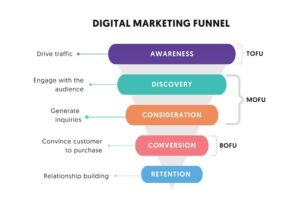
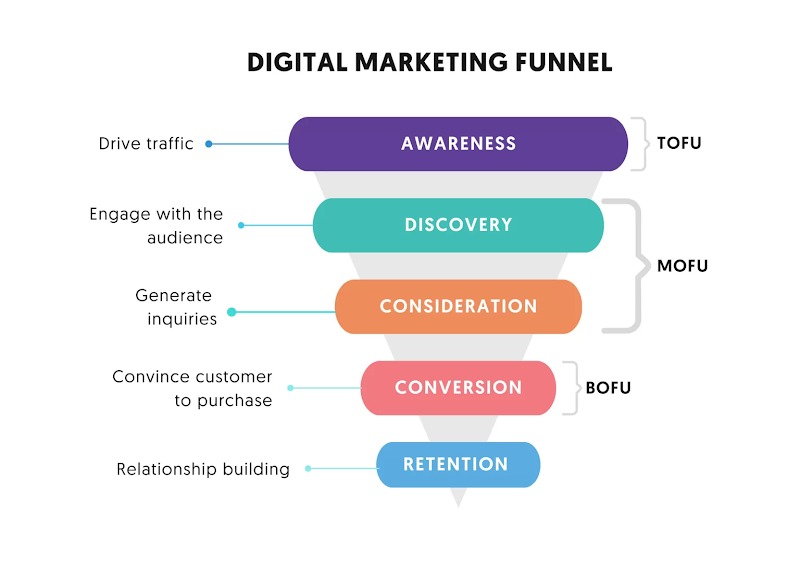
A digital marketing funnel is a structured process that guides potential customers from the awareness stage to the final conversion stage. It aligns content marketing, social media marketing, SEO, paid advertising, and email marketing into a seamless customer journey.
For service-based businesses, the funnel typically includes four primary stages: awareness, consideration, conversion, and retention. Each stage requires a targeted strategy to move prospects closer to booking your service.
Stage 1: Awareness – Attracting the Right Audience
The first step in a high-converting digital marketing funnel is generating awareness. At this stage, your goal is to reach potential customers actively searching for services related to your business.
Search Engine Optimization (SEO) plays a critical role here. Optimizing your website with high-volume keywords such as “digital marketing services,” “professional photography services,” or “best digital marketing agency in Chennai” helps attract organic traffic. Local SEO further enhances visibility by targeting geo-specific search queries like “digital marketing agency near me” or “wedding photography in Chennai.”
Content marketing is equally powerful. Publishing blog posts, educational guides, and service pages optimized with relevant keywords increases your chances of ranking on Google’s first page. Social media marketing also strengthens awareness. Platforms like Instagram, Facebook, LinkedIn, and YouTube help service-based businesses build brand recognition and authority. Paid advertising campaigns through Google Ads and Meta Ads can amplify reach, especially when targeting specific demographics and locations.
Stage 2: Consideration – Building Trust and Authority
Once potential customers discover your brand, the next step is nurturing them. At the consideration stage, prospects compare options and evaluate service providers based on credibility, expertise, and results.
A professionally designed website is crucial. Your service pages should clearly communicate your offerings, pricing models, case studies, testimonials, and portfolio. High-quality visuals, client reviews, and data-driven results improve trust signals and reduce bounce rates.
Content marketing continues to play a central role. Publishing in-depth blog posts, industry insights, and case studies positions your business as an authority. Email marketing automation also supports this stage. Offering lead magnets such as free consultations, downloadable guides, or strategy checklists encourages website visitors to share their contact information. Retargeting ads are another powerful tool for re-engaging visitors who previously interacted with your website but did not convert.
Stage 3: Conversion – Turning Leads into Clients
At the conversion stage, your objective is to transform qualified leads into paying customers. This requires a seamless and frictionless user experience.
Clear calls-to-action such as “Book a Free Consultation,” “Get a Custom Quote,” or “Schedule a Strategy Call” should be strategically placed across your website. Landing pages must be optimized for conversions, featuring compelling headlines, social proof, and simplified inquiry forms.
Performance marketing campaigns can significantly accelerate conversions. Running high-intent Google Search Ads targeting transactional keywords captures users ready to purchase. Local SEO optimization enhances conversion rates by targeting location-based searches. Fast-loading websites, mobile responsiveness, and secure HTTPS connections further improve conversion rates and overall SEO performance.
Stage 4: Retention – Maximizing Customer Lifetime Value
A successful digital marketing funnel does not end at conversion. Retaining existing clients is more cost-effective than acquiring new ones.
Email marketing campaigns, loyalty programs, and personalized follow-ups help maintain long-term relationships. Service-based businesses can offer referral incentives, seasonal discounts, or exclusive content to existing clients. Consistent engagement through social media platforms reinforces brand recall. By analyzing performance metrics such as customer acquisition cost, conversion rate, and return on ad spend, businesses can continuously refine their digital marketing funnel for improved results.
Why a Digital Marketing Funnel Matters for Service-Based Businesses
A structured marketing funnel eliminates guesswork. It provides measurable insights into customer behavior, enabling businesses to optimize campaigns, reduce marketing waste, and increase ROI. Combining SEO, content marketing, paid advertising, and automation creates a system that works around the clock to attract and convert clients.
Frequently Asked Questions (FAQ)
What is a digital marketing funnel for service-based businesses?
A digital marketing funnel is a strategic framework that guides potential customers through awareness, consideration, conversion, and retention stages. It helps service-based businesses generate leads, increase conversions, and build long-term client relationships.
How does SEO support a digital marketing funnel?
SEO improves visibility in search engines by targeting high-intent keywords. It drives organic traffic to your website, helping attract potential customers during the awareness and consideration stages of the funnel.
Why is local SEO important for service-based businesses?
Local SEO targets geo-specific searches. It increases visibility among nearby customers who are actively looking for services.
How can paid advertising improve conversion rates?
Paid advertising, including Google Ads and Meta Ads, targets users with high purchase intent. By focusing on transactional keywords and retargeting campaigns, businesses can convert qualified leads faster.
What tools are essential for building a marketing funnel?
Essential tools include website analytics platforms, CRM systems, email marketing software, SEO tools, and advertising platforms. These tools help track performance and optimize each stage of the funnel.
Conclusion
A step-by-step digital marketing funnel is the foundation of sustainable growth for service-based businesses. By integrating SEO, local SEO, content marketing, paid advertising, and marketing automation, companies can create a predictable system that attracts, nurtures, and converts leads efficiently.
For brands aiming to dominate their niche, partnering with experts who understand performance-driven strategies is crucial. Zero Gravity Photography combines creative expertise with data-backed digital marketing strategies to help service-based businesses achieve measurable results and long-term success.