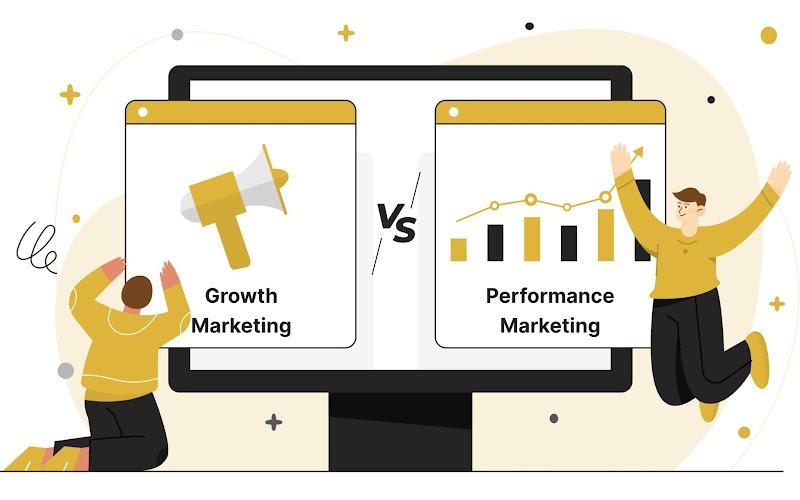
In today’s competitive digital landscape, businesses are constantly choosing between two powerful growth engines: performance marketing and organic marketing. Both promise visibility, leads, and revenue but they operate on entirely different principles.
Understanding how they differ, where they overlap, and when to use each can define the success of your marketing strategy.
What is Performance Marketing?
Performance marketing is a results-driven approach where you pay only for specific outcomes clicks, leads, or conversions. It is highly measurable, fast, and scalable.
Key Characteristics:
- Immediate traffic and visibility
- Paid channels such as Google Ads and social media ads
- Precise audience targeting
- Clear ROI tracking
Common Channels:
- Search engine advertising (PPC)
- Social media ads (Meta, LinkedIn, YouTube)
- Affiliate marketing
- Display advertising
Performance marketing is ideal when you need quick results, such as launching a product, running a campaign, or generating leads in a short time frame.
What is Organic Marketing?
Organic marketing focuses on building long-term visibility without directly paying for placement. It relies on trust, consistency, and value-driven content.
Key Characteristics:
- Long-term growth strategy
- Focus on SEO, content, and brand authority
- Lower cost over time
- Builds credibility and trust
Common Channels:
- Search engine optimization (SEO)
- Blogging and content marketing
- Social media content
- Email newsletters
Organic marketing takes time to show results, but once established, it creates a sustainable flow of traffic and leads.
Core Differences Between Performance and Organic Marketing
1. Speed of Results
Performance marketing delivers immediate outcomes. Campaigns can start generating traffic within hours. Organic marketing, on the other hand, may take weeks or months to gain traction.
2. Cost Structure
Performance marketing requires continuous spending. Once you stop paying, traffic stops. Organic marketing requires an upfront investment in content and strategy, but traffic continues even without ongoing spend.
3. Sustainability
Organic marketing is more sustainable in the long run. Performance marketing is effective for scaling but depends heavily on budget.
4. Trust and Credibility
Users tend to trust organic results more than paid ads. Organic content builds brand authority over time.
5. Scalability
Performance marketing scales quickly with increased budget. Organic marketing scales gradually but becomes more efficient over time.
When to Use Performance Marketing
Performance marketing works best when:
- You are launching a new product or service
- You need immediate leads or sales
- You want to test a new market or audience
- You are running time-sensitive campaigns
It is particularly useful for startups and businesses looking for quick traction.
When to Use Organic Marketing
Organic marketing is ideal when:
- You want to build long-term brand authority
- You are focusing on SEO and content strategy
- You want consistent, low-cost traffic over time
- You aim to establish trust with your audience
It is essential for businesses that want sustainable growth without depending entirely on paid ads.
The Smart Strategy: Combining Both
The most effective approach is not choosing one over the other, but integrating both.
A Balanced Strategy Looks Like:
- Use performance marketing to drive immediate traffic and validate ideas
- Use organic marketing to build long-term authority and reduce acquisition costs
- Retarget organic visitors using paid campaigns
- Use data from paid campaigns to improve organic content
This hybrid model allows businesses to grow quickly while building a strong foundation for the future.
Final Thoughts
Performance marketing and organic marketing are not competitors they are complementary forces.
Performance marketing provides speed, precision, and scalability. Organic marketing builds trust, authority, and long-term value.
Businesses that understand how to balance both will not only grow faster but also build a brand that lasts.